Dealing With Unauthorized Inquiries
Someone Pulled Your Credit Without Your Permission — That Inquiry Can Be Challenged
A hard inquiry you never approved can sit on your report and chip away at your score, and it can show up from a lender you never applied to. The first step is reading the inquiries the way the bureaus wrote them — who pulled, when, and whether you ever said yes.
Inquiries pile up quietly in Dallas — a car lot on Northwest Highway runs your credit while you are still browsing, a store card offer turns into a hard pull you never agreed to, a lender you never heard of shows up on the list. Each hard inquiry can move a score, and a stack of them can make the next lender pause. The key question for each one is simple: did you give permission for that pull?
We go through the inquiry list on each bureau with you and sort the pulls you authorized from the ones you did not. Only unauthorized inquiries can be challenged — a hard inquiry you approved, even one you regret, generally stays. An inquiry you never authorized, though, may be challenged through a factual dispute with the bureau.
These are actual results from past clients, previously shared on Instagram. Every credit file is different, so treat these as examples of what the process can look like, not as a promise of what yours will do.
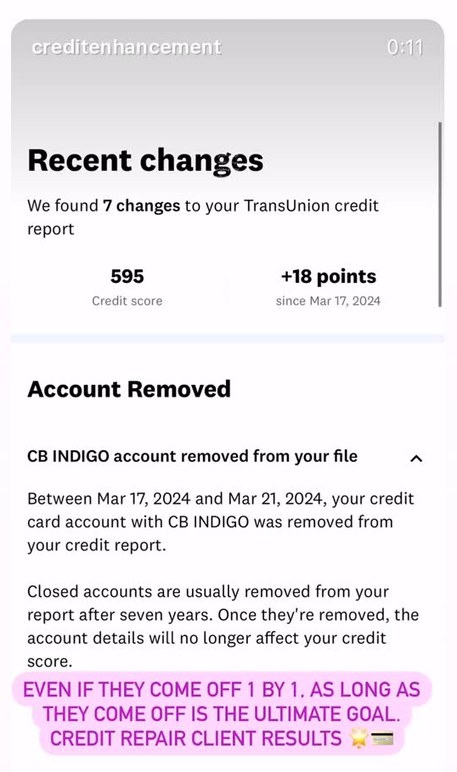
CB Indigo account removed; TransUnion score 595, up 18 points, March 2024.
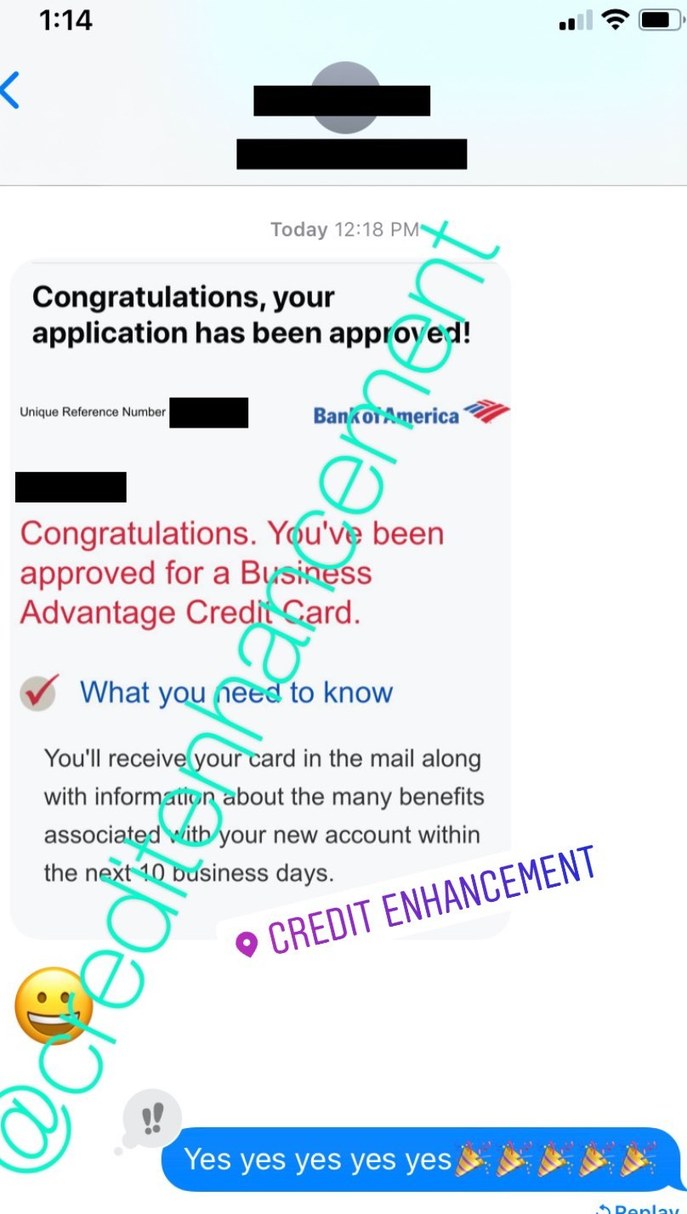
A client was approved for a Bank of America Business Advantage Credit Card in May 2020.
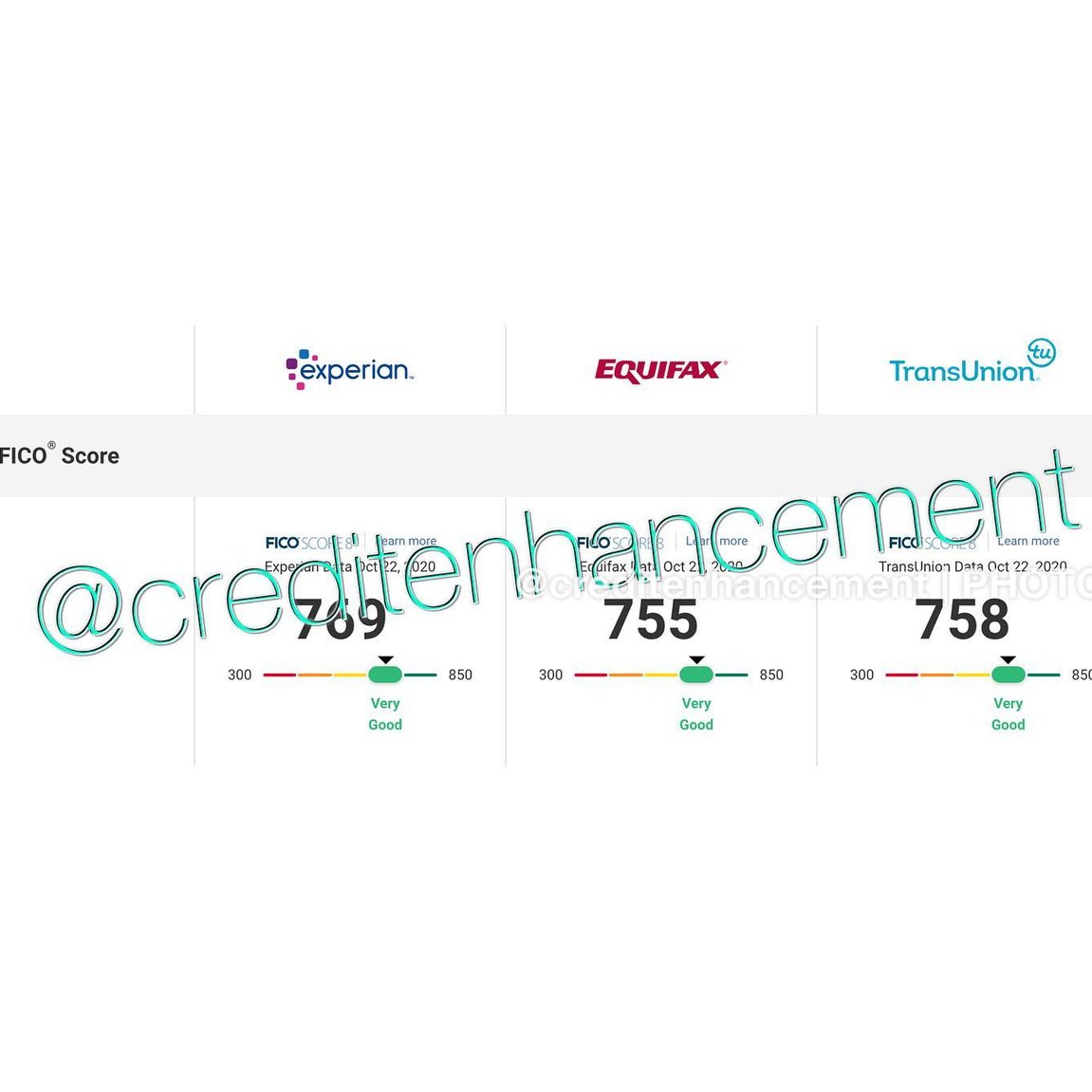
A client's FICO scores in October 2020: Experian 769, Equifax 755, and TransUnion 758.
Results vary from person to person and depend on what is in each credit file. Nothing here promises a particular score increase or deletion.
An inquiry is hard to deal with when you cannot see it — who pulled your credit, when, and whether it was a hard pull or a soft one. For a dollar, you can read every inquiry on all three reports and see the facts as the bureaus list them.
Facts first, then a plan. The look costs a dollar.
$1 opens 7 days with and the price after that week is a month. Cancel any time.
Not every inquiry can be challenged — only the ones you never authorized. We help you tell the two apart.
We explain the difference between a hard inquiry, which can affect a score, and a soft inquiry, which does not.
We look at each inquiry's creditor name and date, and check them against applications you actually made.
We help you sort out the inquiries that came from applications you submitted — those generally stay on the report.
We look for inquiries from lenders or dealers you never applied to, and check whether they match anything you did.
We go over whether an unauthorized inquiry could support a challenge to the bureau.
An inquiry list can run long, and not every pull is a problem. Getting the facts straight comes first — before you do anything.
Finding the inquiries you never authorized is where we focus — not on suggesting that every inquiry can be removed.
We talk through practical habits for applications, so future pulls are ones you actually agreed to.
We talk through the inquiries showing on your credit reports, one by one.
We help you review creditor names, dates, and pull types — each detail, checked.
We help you pick out inquiries that appear unauthorized or inconsistent with your records.
We explain dispute options and practical credit habits for going forward.
No. Only unauthorized inquiries — pulls you never approved — can be challenged. A hard inquiry from an application you submitted generally stays on the report.
An inquiry from a lender, dealer, or creditor you never applied to and never gave permission to pull your credit. We can help you check each inquiry against applications you actually made.
A hard inquiry can generally remain on a credit report for up to two years, though its effect on a score usually fades much sooner.
A hard inquiry comes from a credit application and can affect a score. A soft inquiry — like checking your own report or a pre-approved offer — does not affect a score.
An unauthorized inquiry on your report is not the final word on your finances. Let us talk through what you can do. Call (469) 281-1250.