Dealing With Late Payments
One Late Payment Can Follow You for Years
A single 30-day late mark can sit on your report and push your score down, even when everything since has been on time. The first step is reading the entry the way the bureaus wrote it — the dates, the status, and whether the facts line up.
A late payment usually shows up as a 30, 60, or 90-day mark on one account, and lenders in Dallas notice it fast — whether you are applying for a car loan off Forest Lane, a lease near Deep Ellum, or a mortgage in Lakewood. The mark itself is only part of the story: the date it first went late, how the account is coded now, and whether the creditor's own records agree with what the bureau printed all matter.
We go through each late mark with you, line by line, and compare it against your payment records. Nobody can promise a late payment will come off your report — an accurate late mark generally stays — but an entry with wrong dates, a wrong status, or a payment history that does not match your records may be challenged through a factual dispute.
These are actual results from past clients, previously shared on Instagram. Every credit file is different, so treat these as examples of what the process can look like, not as a promise of what yours will do.
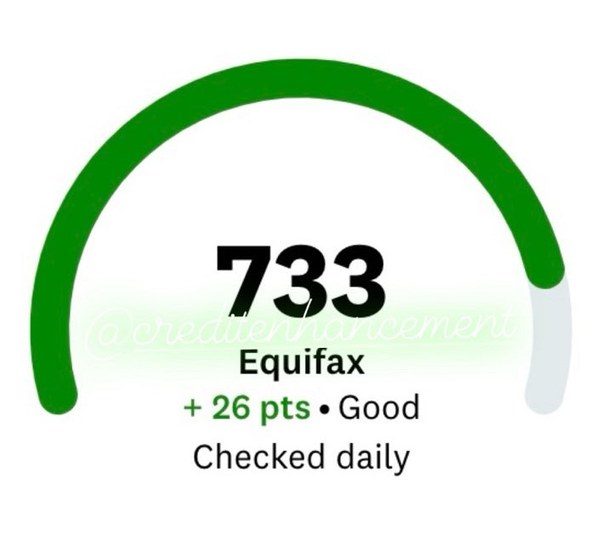
A client reached 733 on Equifax after a 26-point increase, March 2024.
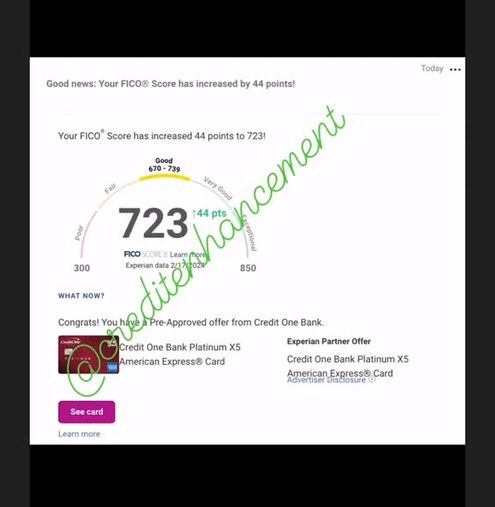
A client's Experian FICO score rose 44 points to 723 in February 2024.
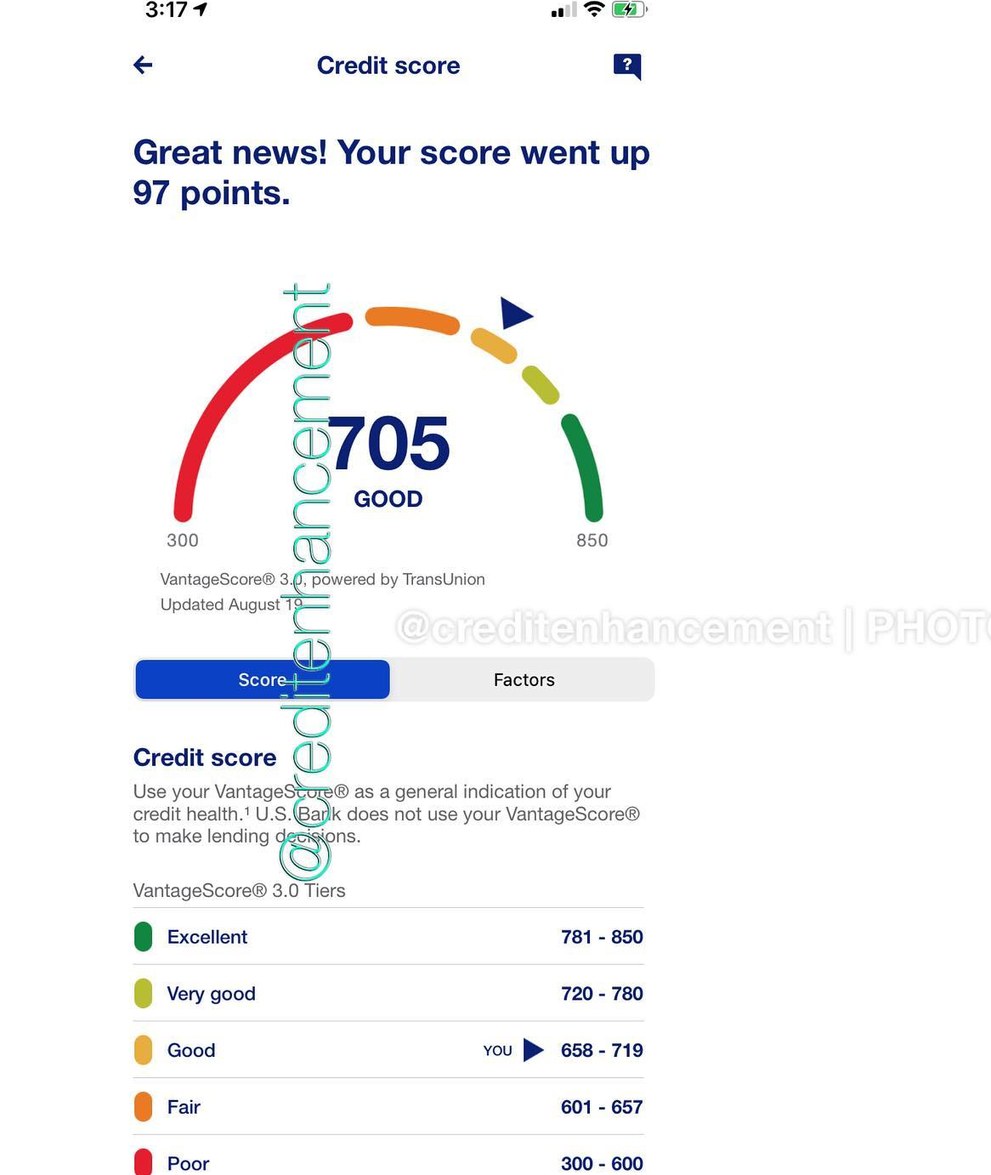
A client's TransUnion VantageScore rose 97 points to 705 in August 2020.
Results vary from person to person and depend on what is in each credit file. Nothing here promises a particular score increase or deletion.
A late payment is hard to deal with when you cannot see it — which account, how many days late, and when it happened. For a dollar, you can read every late mark on all three reports and see the facts as the bureaus list them.
Facts first, then a plan. The look costs a dollar.
$1 opens 7 days with MyScoreIQ and the price after that week is $34.99 a month. Cancel any time.
Late marks are not all alike. We help you understand what each one says and where the reporting may not match your records.
We look at the date of first delinquency and the month the late mark appeared, and check them against when you actually paid.
We explain what each level of lateness means in the reporting, and how the severity shown compares with your payment history.
We look at whether the account now shows current, closed, or still past due — and whether that status matches what you know.
We compare the bureau's payment history against your own records, bank statements, and receipts for the months in question.
We go over whether a late mark has inaccurate information that could support a challenge to the bureau or the furnisher.
A late mark can come from a missed due date, a payment posted late, or a servicer error. Getting the facts straight comes first — before you do anything.
Finding inaccurate information is where we focus — not on suggesting that every late mark can be removed.
We talk through practical habits that keep future payments on time, so the file builds forward from here.
We talk through the late-payment entries showing on your credit reports, one by one.
We help you review dates, severity, and account status — each detail, checked.
We help you pick out information that appears inaccurate, incomplete, or inconsistent with your records.
We explain dispute options and practical credit habits for going forward.
When a late-payment entry has wrong information in it — the wrong date, the wrong severity, a payment that was actually made on time — that may be challenged through a factual dispute. An accurate late mark, though, generally stays on the report.
A late payment can generally remain on a credit report for up to seven years from the date of first delinquency. The reporting rules decide the timeline, not the creditor.
Paying the account current changes the status going forward, but it does not erase the late mark from the months it happened. The history of those months stays as reported.
A single late mark can move a score noticeably, especially on a file with little else in it. Its effect usually fades over time as on-time payments build up behind it.
A late mark on your report is not the final word on your finances. Let us talk through what you can do. Call (469) 281-1250.